;)
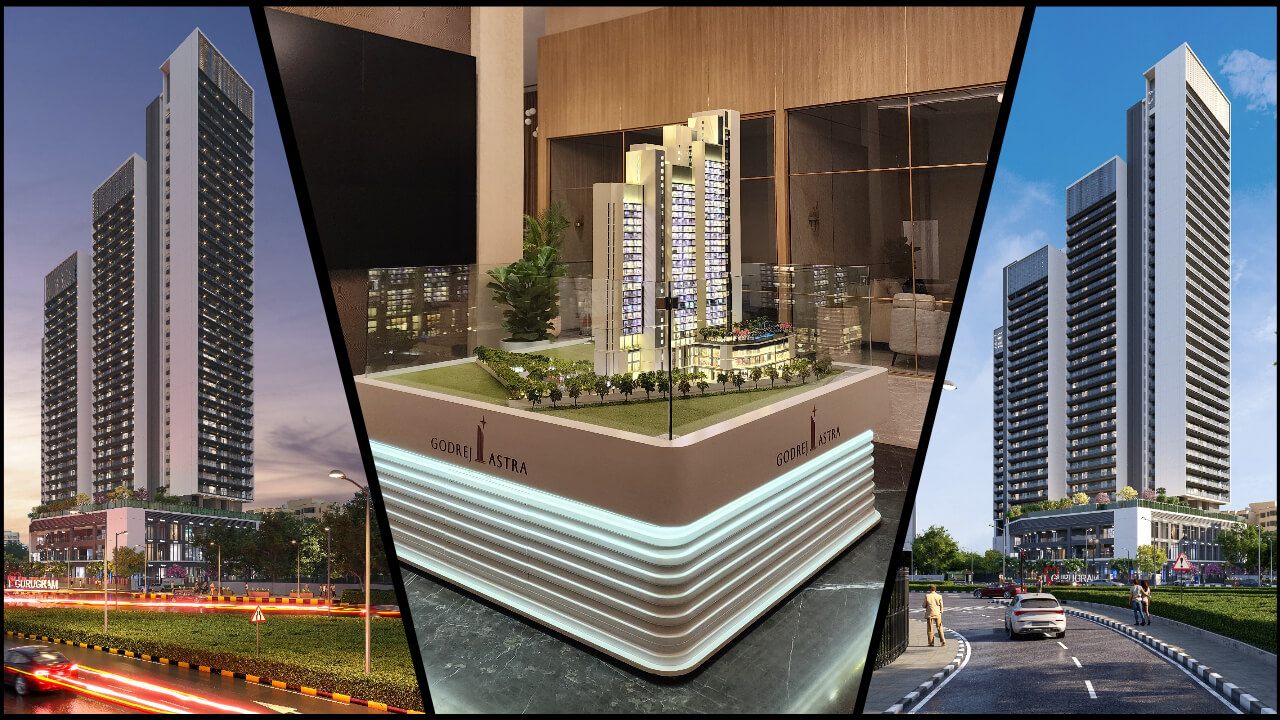
Architectural Scale Models vs. 3D Visualization Why Both Matter
In the fast-paced world of real estate and architecture, bringing designs to life is crucial for impressing clients, securing deals, and refining projects. But when showcasing properties, should you rely on traditional architectural scale models or modern 3D visualizations? The truth is, both have unique strengths—and when combined, they create a powerful presentation strategy.
As a company specializing in custom scale models and 3D visualization services, we believe using both tools can elevate your projects to the next level. Let’s explore the differences, benefits, and practical applications of these essential design tools.
What Are Architectural Scale Models?
Architectural scale models are physical, three-dimensional replicas of buildings or spaces, crafted to scale (e.g., 1:100) to represent real-world dimensions. These tangible models have been a cornerstone of the industry for decades.
Imagine holding a detailed model of a luxury estate—complete with miniature landscaping and interiors. Beyond aesthetics, scale models help teams spot potential issues early, such as spatial flow, design clashes, or material choices. They also foster collaboration, allowing clients and stakeholders to interact with the design in a physical space, building trust and excitement.
What Is 3D Visualization?
3D visualization uses digital technology to create immersive, computer-generated images, interactive walkthroughs, and virtual tours of architectural projects. These can be viewed on screens or even in VR.
The versatility of 3D visualization allows teams to simulate different lighting, materials, and finishes quickly. Edits are easy, and digital models can be shared instantly with remote clients, making it ideal for modern workflows and marketing strategies.
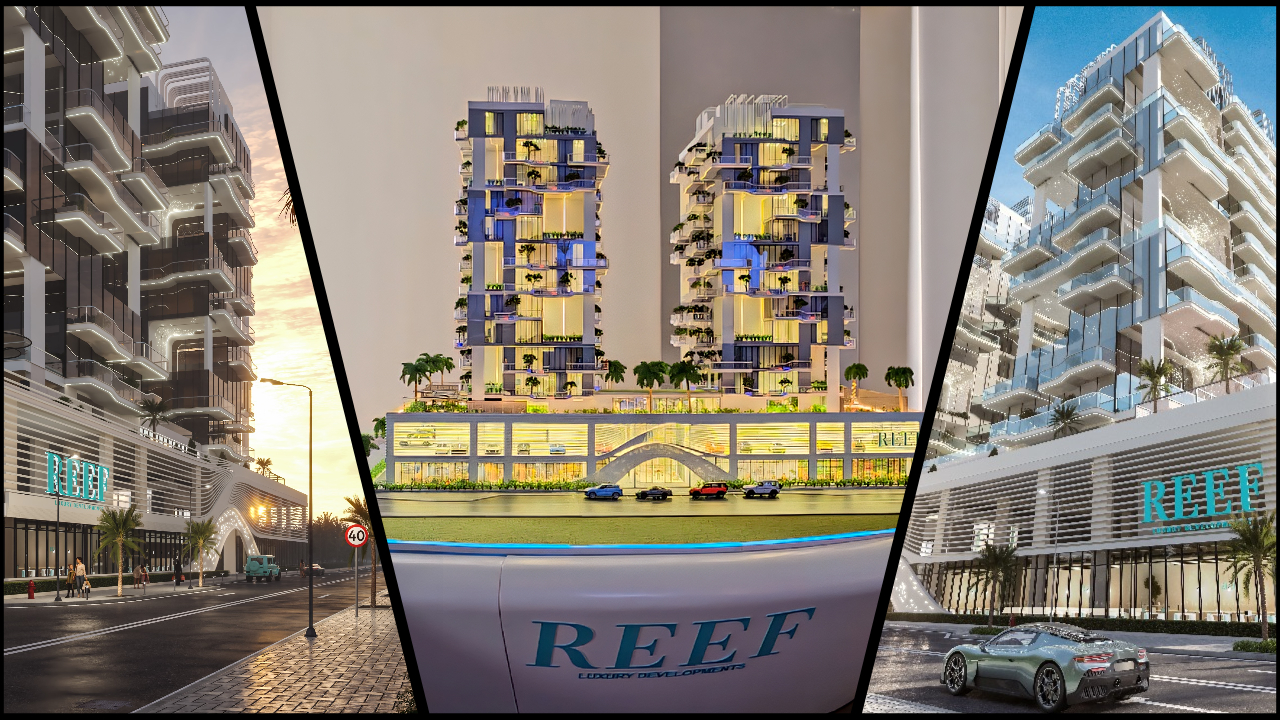
Comparing the Two: Strengths and Considerations
Both architectural scale models and 3D visualizations have advantages—and trade-offs. Here’s a clear comparison:
- Tactile Experience vs. Digital Flexibility
Scale models offer a real-world, hands-on experience. Clients can touch, explore, and connect emotionally with the design. Digital tools, on the other hand, provide flexibility, interactive walkthroughs, and the ability to experiment with materials or lighting instantly. - Cost and Accessibility
3D visualizations are generally quicker and more cost-effective, especially for large-scale projects. They’re easy to share online and allow for multiple iterations. Physical models require time, space, and budget but deliver unmatched authenticity and craftsmanship.
Key takeaway: Scale models shine in tangibility and emotional impact, while 3D visualization excels in speed, interactivity, and scalability. Combining both offers the best of both worlds.
Why Both Matter and How They Work Together
Relying on just one tool can limit your perspective. Architectural scale models connect stakeholders emotionally, helping them understand space and design. 3D visualizations allow for precise, scalable exploration of concepts, enabling virtual experimentation before committing to physical builds.
Using both strategically can enhance presentations and reduce design risks:
- Present a scale model for initial approvals and in-person client meetings.
- Follow up with 3D renders or walkthroughs for marketing, remote clients, or detailed design reviews.
This combination ensures no detail is lost, creates a more engaging experience, and accelerates sales—particularly in real estate.
Real-World Applications and Tips
Here’s how these tools work in practice:
- Real Estate Development:
Use scale models to present site plans at community meetings or investor presentations. Complement with 3D visualizations for virtual open houses, reaching a wider audience without travel. - Architectural Design:
Begin with 3D models to iterate quickly on concepts. Then create a physical scale model for final review and client approval. This saves time, resources, and ensures polished results.
If your scale modelmakeroffers 3D visualization services, inquire about bundled packages. These integrated solutions streamline your workflow and deliver comprehensive results.
Wrapping It Up: Embrace the Best of Both Worlds
Architectural scale models and 3D visualizations aren’t competitors—they’re partners. Scale models bring authenticity and tactile engagement, while 3D tools add flexibility, precision, and interactivity.
For real estate professionals and architects, combining both tools enhances client experience, reduces risks, and elevates project outcomes. If your projects demand high-quality, custom solutions, consider integrating both approaches.
Have you used scale models or 3D visualizations in your own projects? Share your thoughts in the comments, or reach out to explore how our custom scale model making and 3D visualization services can bring your ideas to life.