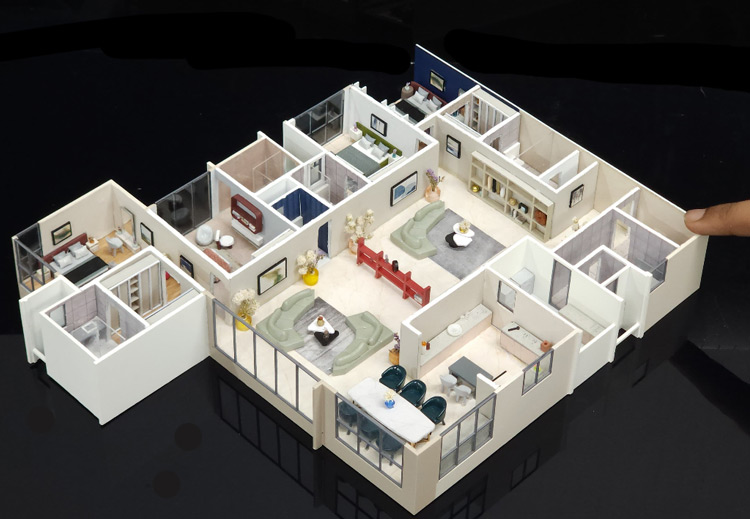
How to Choose the Right Scale for Your Architecture Model

In real estate and architecture, visualizing a property can make all the difference. A well-crafted scale model brings listings to life, helping clients picture their dream home or investment. This guide will walk you through choosing the right scale step by step, covering key considerations, pros and cons of common scales, and practical tips to make your presentations stand out.

Whether you’re a real estate agent, developer, or investor, by the end of this post, you’ll know how to select a scale that enhances your workflow without overwhelming you.


Why Scale Matters in Real Estate

A scale model is a smaller, proportionally accurate version of a building or development. For example, a 1:100 scale means 1 unit on the model represents 100 units in reality.

Choosing the right scale is essential: the wrong one can result in a model that’s hard to handle or fails to highlight important details. The right scale turns your model into a powerful marketing and planning tool, helping clients connect with the design and make informed decisions.


Key Factors to Consider When Choosing a Scale

Selecting the ideal scale depends on your project type, purpose, and audience. Keep these factors in mind:

  • Project Purpose: Is the model for client presentations, marketing, or design planning? Portable scales work well for client meetings, while larger models are ideal for detailed showcases.
  • Space and Resources: Consider display, storage, and transport. Bigger models offer more detail but need more room; smaller models are easier to move.
  • Level of Detail: Decide how intricate your model needs to be—interior layouts, landscaping, or outdoor features all influence scale choice.


Pros and Cons of Common Scales

Here’s a practical breakdown of common scales and when to use them:

1:20 or 1:50 – Large Scales (Highly Detailed)

Pros:

  • Highlights fine details like interiors, landscaping, and custom features.
  • Great for high-end properties or luxury presentations.
  • Enhances collaboration with scale model makers for professional results.

Cons:

  • Requires more space and materials.
  • Time-consuming to build and less portable.


1:100 or 1:200 – Medium Scales (Versatile)

Pros:

  • Easy to handle and transport for client meetings or open houses.
  • Balances detail with overall layout, providing a clear view without overwhelming clients.
  • Cost-effective when working with an architecture scale model making company.

Cons:

  • May not capture intricate architectural details.
  • Smaller features might be hard to notice in very large developments.


1:500 or Larger – Small Scales (Overview)

Pros:

  • Provides a broad overview, useful for neighborhoods, commercial sites, or urban planning.
  • Compact and portable for investor meetings or virtual presentations.

Cons:

  • Lacks fine detail, so may not convey luxury or uniqueness effectively.
  • Can feel less engaging for hands-on presentations.

Tip: No scale is perfect for every scenario—choose the one that best aligns with your goals.
 

Step-by-Step Guide to Selecting the Right Scale

  1. Clarify Your Goals: Identify the model’s purpose—quick client pitch or detailed design review.
  2. Evaluate Options: Consider pros and cons, audience needs, and project type. For high-value properties, a larger scale may be worth the effort.
  3. Test with a Prototype: Sketch or build a small test model to see how the scale works in practice.
  4. Make Adjustments: Refine based on feedback or practical observations. Flexibility is key to success.


Common Mistakes to Avoid

  • Ignoring Practicality: Avoid scales too large for storage or transport.
  • Overlooking Audience Needs: Tailor detail level to your clients’ preferences.
  • Skipping Expert Collaboration: Partnering with a scale model-making company ensures precision and creativity.

Avoiding these pitfalls ensures your model is functional, visually appealing, and impactful.


Wrapping It Up

Choosing the right scale for your architecture scale model can elevate your real estate presentations, improve client engagement, and streamline decision-making. By considering purpose, space, and detail, and by testing your approach, you’ll select a scale that truly works for your goals.

Have you used scale models in your real estate projects? Share your experiences in the comments, or reach out for tips on custom scale model making to make your presentations truly stand out.
 

How Architectural Scale Models Bring Your Designs to Life

How Architectural Scale Models Bring Your Designs to Life

Imagine holding a meticulously crafted miniature of your dream building. It’s more than just a model—it’s a tangible representation of your vision, ready to impress clients, stakeholders, and even yourself.

As a leading scale model making company, we specialize in turning abstract drawings into powerful, detailed models that enhance real estate presentations, architectural planning, and design reviews. In this guide, we’ll take you behind the scenes of our process—from receiving your drawings to the final delivery. Whether you’re an architect, developer, or designer, you’ll gain a clear understanding of what goes into creating these models and why they remain invaluable in a digital world.


Phase 1: Receiving and Reviewing Client Drawings

Every great scale model starts with accurate drawings. This phase ensures collaboration and clarity so the final model reflects your design precisely.

What we do:

  • Submission: Clients provide digital files (CAD, SketchUp) or physical sketches.
  • Review: Our team evaluates the scope, scale (1:50, 1:100, etc.), and key details like materials, textures, and features.

Why this matters:

  • Consultation & Customization: We schedule a virtual or in-person meeting to discuss goals. For example, residential projects might need landscaping or interior layouts clarified.
  • Common Doubts Addressed: Even imperfect drawings work. Our experts suggest adjustments and handle scale conversions to ensure accuracy.

Timeline: Typically 4-8 weeks, depending on project complexity.


Phase 2: Building the Model

With drawings approved, our workshop transforms raw materials into a detailed, handcrafted model. This phase blends precision engineering with artistic craftsmanship.

Step-by-Step Process:

  1. Material Selection & Preparation:
    • High-quality materials like acrylic or balsa wood are chosen based on design requirements.
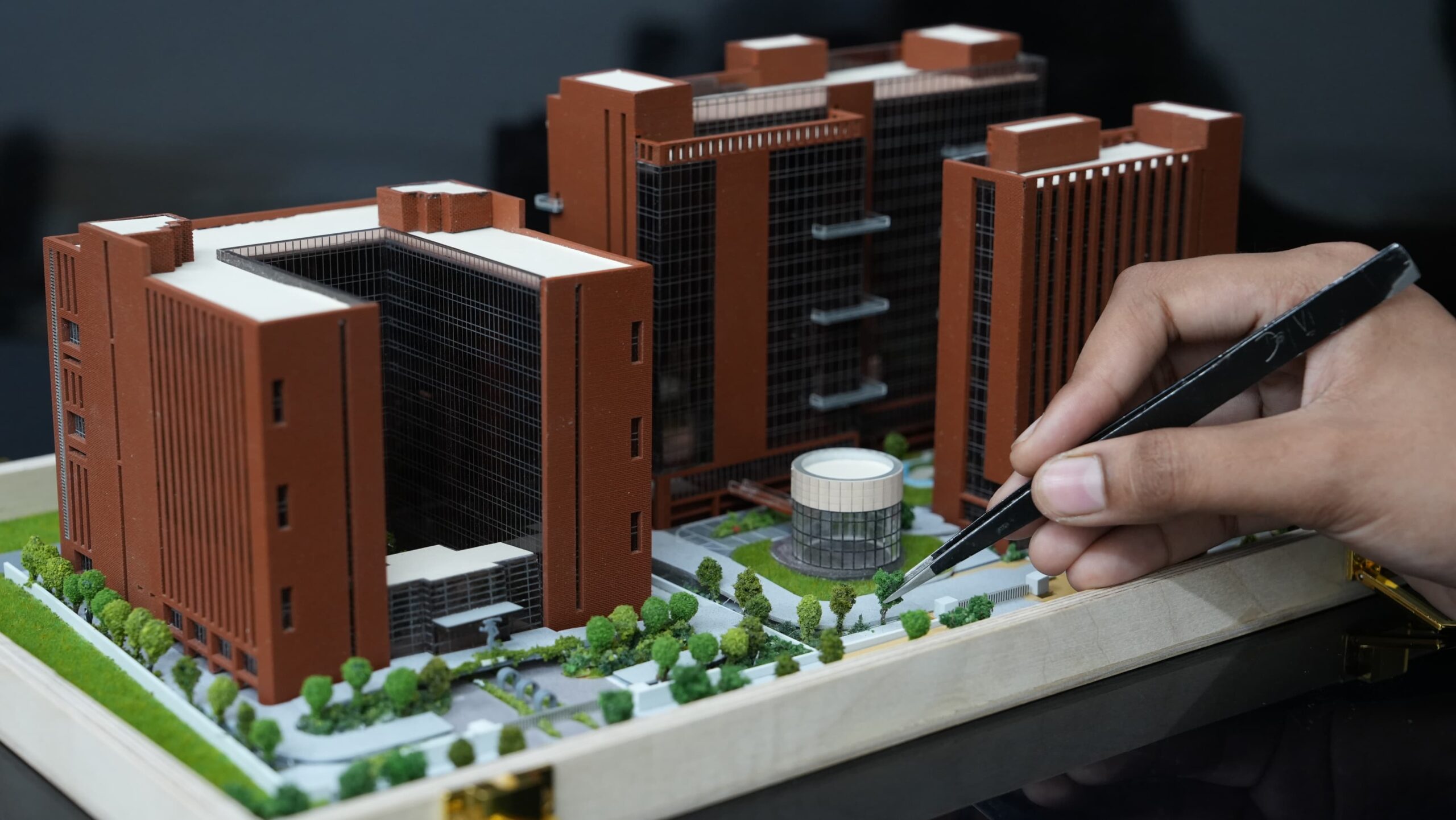
    • Example: Acrylic can simulate glass facades for realistic effects.
  2. Construction & Detailing:
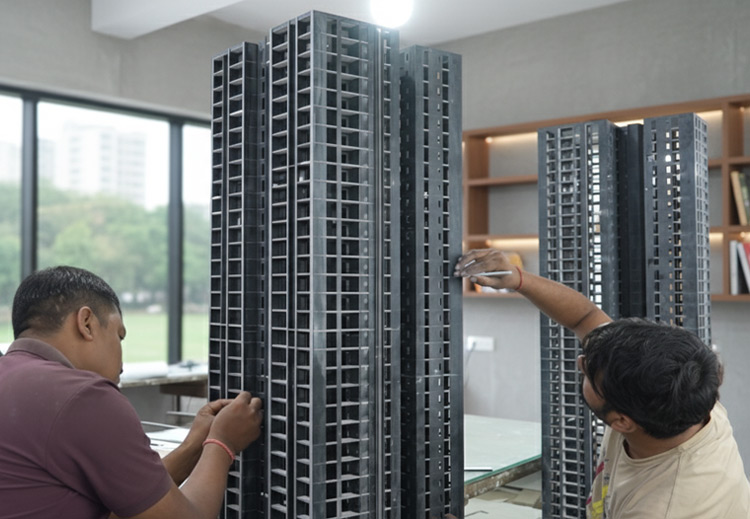
    • Components are cut, shaped, and assembled according to scale.
    • Details like LED lighting, textured surfaces, and miniature landscaping are added.
    • Quality checks, including digital caliper measurements, ensure precision.
  3. Testing & Refinement:
    • Models are tested for durability and visual appeal.
    • Adjustments are made for handling and display stability.

Timeline & Cost: Standard models take 4–8 weeks, depending on size and complexity. Quotes are provided upfront.


Phase 3: Delivery and Post-Delivery Support

Careful delivery is critical to ensure your model arrives in pristine condition.

Delivery Process:

  • Packaging: Protective foam inserts and custom boxes prevent damage.
  • Shipping: Options include local pickup, nationwide, or international delivery with tracking.

Post-Delivery Support:

  • Unpacking & Installation: Our team will visit the delivery location to professionally install the model and provide a complete handover, ensuring no damage occurs during setup.
  • Maintenance & Support: Most models include one year of maintenance in the initial quote. Beyond that, we continue to offer services to maintain and preserve your model, keeping it in pristine condition for years.

Real-World Benefits of Scale Models

Some clients wonder if physical models are worth it in a digital age. The advantages are clear:

  • Tactile Experience: Nothing replaces a hands-on, interactive model for client presentations or exhibitions.
  • Visual Impact: Physical models convey scale, detail, and material choices more effectively than screens alone.
  • Archival Value: They serve as a permanent, tangible record of the design.


Wrapping It Up

Scale models aren’t just replicas—they’re a bridge between imagination and reality. From reviewing drawings to meticulous workshop construction and careful delivery, every step ensures the final model exceeds expectations.

Partnering with a professional scale model making company guarantees precision, quality, and a stress-free experience.

Have you used scale models in your work? Share your experiences in the comments or reach out to explore how we can bring your designs to life—turning ideas into extraordinary, tangible models.