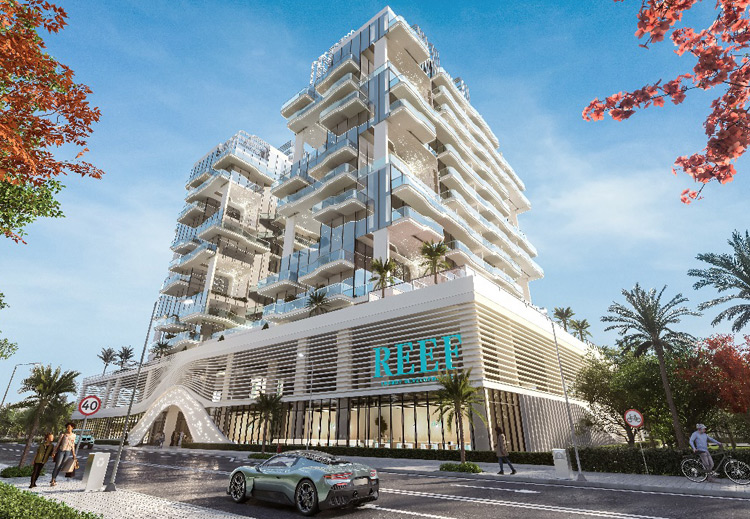
How 3D Walkthroughs Are Revolutionizing Urban Planning

Step Into the Future: How 3D Walkthroughs Are Revolutionizing Urban Planning

Ever dreamed of stepping into a city that hasn’t been built yet? Imagine wandering through a virtual neighborhood, spotting hidden gems like a shaded park or a bustling market—all from the comfort of your screen. That’s the power of 3D Walkthroughs. They’re more than just futuristic visuals; they’re transforming urban planning by making it more accessible, collaborative, and efficient for developers, customers, and communities alike.

Why 3D Walkthroughs Matter in Today’s Urban World

In a fast-paced era of growing cities and rising environmental challenges, 3D Walkthroughshave become a cornerstone of modern urban planning. Unlike traditional blueprints or static renders, they offer immersive, interactive experiences that bridge the gap between abstract concepts and tangible reality.

For developers, these tools reduce guesswork, speed up approvals, and help identify problems early. For customers, they provide clarity and empowerment—allowing people to virtually “test drive” their homes or communities before they’re even built.

Key Benefits of 3D Walkthroughs

  1. Save Time and Cut Costs

By simulating real-world scenarios—like traffic patterns, building placements, or sunlight direction—3D Walkthroughs enable teams to make smarter decisions early on. This proactive approach helps reduce costly revisions and keeps projects on schedule.

  1. Boost Customer Involvement and Confidence

Instead of staring at complex floor plans or confusing 2D drawings, customers can virtually explore their future spaces. Walking through a living room, checking balcony views, or touring a neighborhood digitally builds excitement and ensures the final outcome matches expectations. This early involvement also reduces post-build complaints.

  1. Promote Smarter, Sustainable Decisions

3D Walkthroughs also highlight environmental impacts. Planners can see how developments affect local ecosystems, optimize green spaces, or integrate solar panels into rooftops. This makes it easier to design eco-friendly, sustainable cities that benefit everyone.

  1. Streamline Collaboration for Developers

Instead of flipping through endless documents, teams can collaborate using a single virtual model—iterating in real time, even across different countries. This improves communication, speeds up approvals, and minimizes surprises during construction.


Real-World Example: Barcelona’s Waterfront Redesign

A powerful example of 3D Walkthroughs in action comes from Barcelona, where community groups used virtual simulations to review and refine a waterfront redevelopment project. By “walking through” the digital model, residents suggested changes that improved both usability and appeal. The final result not only boosted local tourism but also enhanced the community’s quality of life—showing how technology can turn passive observers into active participants in urban planning.

Looking Ahead: The Future of 3D Walkthroughs

The next generation of 3D Walkthroughs will be even more immersive, thanks to AI and VR integrations. Imagine wearing a headset to not just see but feel the vibe of a future neighborhood—complete with ambient sounds, lighting changes, and interactive elements. This isn’t science fiction; it’s the future of urban planning.

By simplifying complex projects for developers and creating engaging experiences for customers, these tools are paving the way for smarter, greener, and more livable cities.

Wrapping Up: A Virtual Step Toward Better Cities

3D Walkthroughs are far more than a design trend—they’re a game-changing force for urban innovation. By combining immersive visuals, real-time collaboration, and sustainable insights, they’re transforming the way we imagine and build cities.

Whether you’re a developer seeking efficiency, a planner striving for sustainability, or a buyer dreaming about your future home, 3D Walkthroughs are making urban design more interactive, inclusive, and inspiring than ever before.

👉 The future of cities is being built virtually first. Are you ready to step inside?
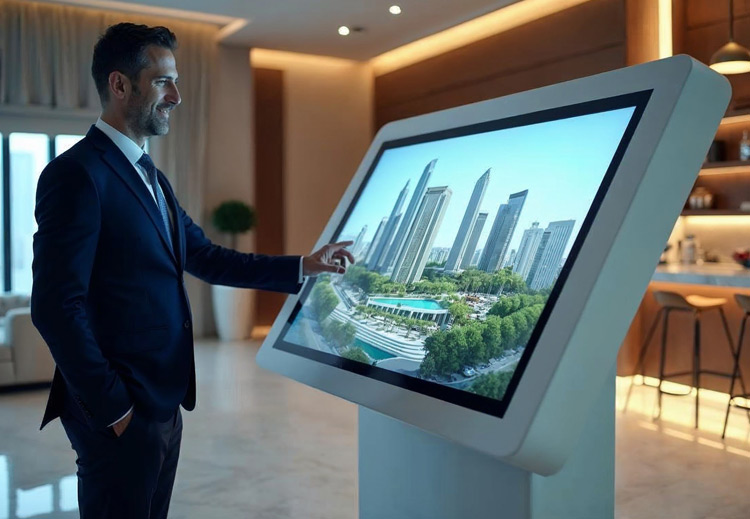
3D Interactive Tours

Unlock Virtual Worlds: The Thrilling Reality of 3D Interactive Tours

Imagine holding the power to explore your dream home or a towering skyscraper with just a swipe of your finger—stepping into spaces that don’t even exist yet, all from your couch. That’s the magic of 3D Interactive Tours, a revolutionary technology turning imagination into interactive reality. Whether you’re an urban planner, a homebuyer, or simply a tech enthusiast, these tours offer an exhilarating way to navigate virtual environments, making complex designs feel personal and accessible.

In this post, we’ll take you through the wonders of 3D Interactive Tours, showing how they let you interact with designs in real time—whether it’s simulating the view from the 40th floor or walking through every corner of your future home.

What Exactly Are 3D Interactive Tours?

3D Interactive Tours are cutting-edge digital experiences that allow you to step inside a virtual world and interact with it as if you were really there. Using advanced software like Unity, Unreal Engine, or Matterport, these tours create highly detailed, lifelike simulations of spaces—be it a cozy apartment, a bustling city street, or a massive urban development project.

What sets them apart is their user-friendly interface. You can navigate effortlessly by moving and dragging with your fingertips on a touchscreen or mouse. For example, zoom in on kitchen details, drag to walk through a living room, or swipe to peek into a backyard. It’s like holding your entire house in the palm of your hand—making remote viewing not just possible, but incredibly intuitive and fun.

These tours also go beyond simple walkthroughs. Many incorporate real-time interactions such as clicking on objects for more information or adjusting settings to see how lighting or weather changes affect a space. Picture yourself virtually standing on the 40th floor of a high-rise: instead of a static image, you get a panoramic video feed of the cityscape below, making the experience both visually stunning and practical for decision-making.

Why 3D Interactive Tours Are a Must-Try Experience

The real appeal of 3D Interactive Tours lies in how personal and empowering they feel. For homebuyers, fingertip control transforms abstract plans into tangible experiences—you can examine every corner without leaving your seat. For urban planners and developers, it’s about simulating scenarios and testing ideas before construction even begins.

And let’s not forget the thrill factor. Imagine virtually standing on a skyscraper balcony at sunset, complete with realistic sounds, dynamic weather, or even day-to-night transitions. This immersive detail helps buyers’ picture everyday life in a new space and allows planners to assess practicality, aesthetics, and safety with greater accuracy.

Key Highlights of the Experience

Here are the standout features that make 3D Interactive Tours unique:

  • Fingertip Navigation: Effortlessly drag and move through spaces on your device, making exploration seamless and intuitive.
  • Heightened Realism: Experience elevated views, panoramic sights, or dynamic elements like weather changes and crowds—almost like having a personal drone tour at your command.
  • Interactive Elements: Click, zoom, or drag to uncover hidden details such as energy-efficient features, sunlight angles, or traffic flow.
  • Accessibility for All: From smartphones to VR headsets, these tours are designed for universal access, enabling real-time collaboration between developers and customers.

Real-World Applications and Benefits

In urban planning, 3D Interactive Tours are revolutionizing how designs are tested and improved. Developers can quickly iterate on ideas, spot potential challenges (like wind tunnels or poor lighting), and optimize layouts for better usability.

For customers, the benefits are equally powerful: you can “try before you buy,” walking through a property virtually before making a decision. This builds confidence, reduces uncertainty, and makes the buying journey more exciting.

The broader impact is significant too. These tours promote sustainability by showcasing eco-friendly features like solar panels or green roofs, encouraging smarter and more responsible urban development.

Key benefits at a glance:

  • For Developers: Reduce costs and risks by simulating real-world scenarios before construction.
  • For Customers: Build excitement and confidence with interactive, realistic previews.
  • For Communities: Support inclusive, sustainable, and future-ready development.

Wrapping Up: Step Into Your Future Today

3D Interactive Tours are far more than just a tech trend—they’re a portal to endless possibilities. From exploring your dream home with a swipe to standing virtually on the 40th floor, these experiences make design exploration more accessible, engaging, and practical than ever before.

Whether you’re planning a city or choosing your next home, 3D Interactive Tours are reshaping the way we imagine and experience spaces. So why wait? Step into the future today and see how this technology is redefining the world—one interactive move at a time.